


Strengthening
Literacy Systems in Jewish Day Schools
Helping schools align and improve decoding instruction across grades without adding new programs or expanding the schedule.
Developed inside Jewish day schools to strengthen decoding instruction, reading accuracy, and reading fluency through structured literacy and Orton Gillingham informed practices.

Students begin to struggle with:
-
Reading fluency
-
Reading accuracy
-
Decoding unfamiliar words
-
Reading confidence
As a result, schools often see:
-
An increase in reading referrals
-
Growing demand for intervention services
-
Teachers asking for more support

Small gaps in early decoding instruction compound over time when literacy practices are not aligned across grades.
Strengthening those systems earlier can dramatically change the trajectory for many students.
Why Literacy Systems Matter in Jewish Day Schools
Built Inside a Jewish Day School
Literacy Decoded was developed while working inside a Jewish day school, navigating the same realities many schools face:
-
Limited English instructional time
-
Dual curriculum schedules
-
Professional learning opportunities are limited
-
Budgets must be carefully balanced
-
Collaboration with Judaic leadership
-
Strong parent expectations around literacy
The goal is not more work. The goal is clearer literacy systems that support teachers and students

The Literacy Infrastructure Framework
Strong Reading Accuracy and Fluency
Teacher
Literacy Alignment
Literacy Infrastructure Framework
Early Identification of Reading Gaps
Decoding
Instruction
Strong reading outcomes rarely come from isolated programs.
They come from systems.
The Role of Literacy Decoded
Literacy Decoded is based on the Orton Gillingham method of instruction, helping teachers better understand how the English language works and how decoding skills develop over time.
Teachers learn how to:
-
Teach decoding systematically
-
Recognize early decoding breakdowns
-
Strengthen phonics instruction
-
Build reading accuracy and fluency
-
Use consistent language across grades
Rather than replacing curriculum, Literacy Decoded strengthens the instructional foundation teachers already use.

What Literacy Decoded DOES
-
Aligns decoding instruction across grades
-
Builds shared literacy language among teachers
-
Strengthens phonics instruction
-
Identifies reading gaps earlier
-
Improves reading accuracy and fluency
What Literacy Decoded is NOT
-
Replacing existing literacy curriculum
-
Adding new programs to the schedule
-
Increasing instructional time
-
Overwhelming teachers with additional initiatives
Instead, the focus is on strengthening the systems already in place so instruction becomes more consistent and aligned.


What Principals are Saying...
Watching my kindergarten teachers implement Literacy Decoded has been incredible!
Talia Levine,
Preschool Director

Eitz Chaim Principal
Literacy Decoded is the answer to the Jewish day school reading crisis. All teachers need access to practical training, especially since we have such a short ELA block.
Dara Lubin, ELA Coordinator
Bais Yaakov teachers were hesitant when our school signed up, but within a few weeks, they were all hooked on LD. Lisa Gelberman's online videos were amazing and having her come in for professional development gave the teachers such a boost.
Mrs. Rotenberg, ELA Coordinator
What Working Together Typically Looks Like
Schools often begin with a short Literacy Infrastructure Diagnostic, a conversation designed to review how decoding instruction and literacy practices function across grades.
From here, schools typically move through a simple process:
1. Literacy Infrastructure Diagnostic
A leadership conversation reviewing referral patterns, decoding instruction, and literacy alignment across grades.
2. Infrastructure Review
Identify areas where reading instruction needs alignment.
3. Teacher Training & Coaching
Teachers receive practical (self-paced) training grounded in structured literacy and Orton Gillingham instruction.
4. Monitoring - Teacher and Student Progress
General Studies principals and/or curriculum leads gain clearer visibility. We keep track/report teacher progress and assess student growth over the course of the year.
Many schools begin with a small pilot group of teachers or a single grade level before expanding more broadly.
A Short Leadership Conversation
Schedule a Literacy Infrastructure Diagnostic Meeting
During this 20-minute conversation we review:
-
How decoding instruction functions across grades
-
Referral and intervention patterns
-
Opportunities to strengthen literacy alignment
Many principals schedule this conversation simply to gain a clearer picture of their literacy systems.
Schedule a Literacy Infrastructure Diagnostic

Literacy Decoded Gives You Clarity, Structure, and Support!

Scope and sequence

80+ student video demonstrations
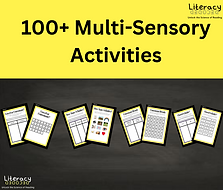
80+ multisensory activities

80+ rule cards

Live coaching

80+ word lists

Tons of blending boards

Comprehensive diagnostic assessment


